Dominican coffee can become a top-tier tourism magnet
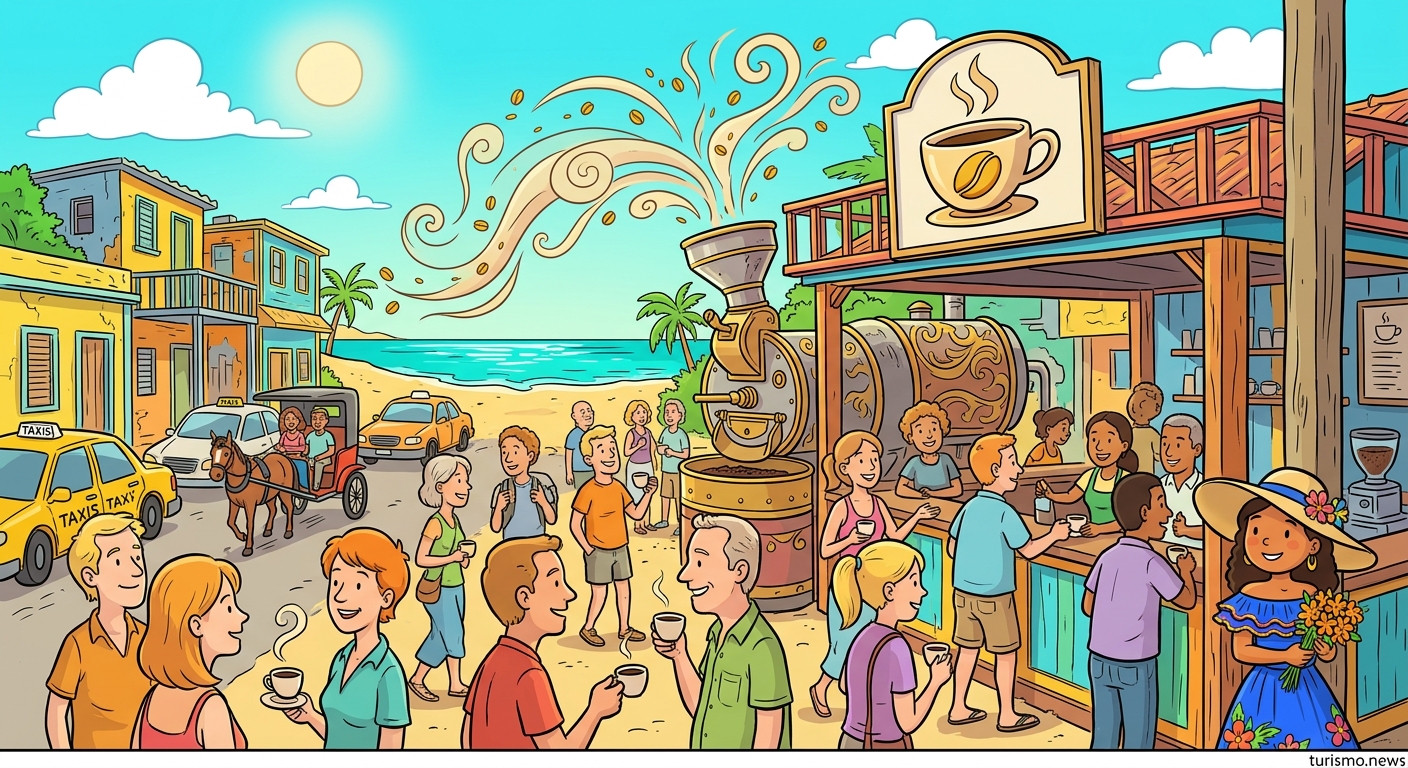
I have been hearing for years that the Dominican Republic needs to diversify its tourism offer beyond sun and beach. Well, folks, the coffee is served. Literally.
Specialty Dominican coffee has been winning medals at international competitions for a decade and landing in prestigious roasters in Japan, Europe and the United States. And here, at home, most tourists drink instant coffee at the resort buffet and have no idea that 40 kilometers away there is a farm producing a 92-point geisha. That is a huge missed opportunity.
Coffee as a travel experience
I am not talking about putting a tiny sign in the lobby that says "house coffee." I am talking about well-designed coffee trails: from picking the beans on the mountain to the final cupping. In regions like Jarabacoa, Constanza, Barahona and San Juan de la Maguana there are farms already receiving visitors, but the offering needs to scale. Imagine a boutique hotel in Puerto Plata offering a full-day excursion to a high-altitude plantation, and the resort chef ending the meal pairing a local cacao dessert with that very coffee. That is memorable. That gets shared on social media. That drives bookings.
And this is not just a luxury for a few. It can be an affordable activity that adds value to the average stay. European and North American tour operators are already looking for authentic experiences. Dominican coffee is authentic, it has history, it has flavor and it has a breathtaking landscape behind it.
What is missing: promotion and logistics
For coffee to become a real tourism driver, three things are needed. First, signage and accessibility: many farms are on secondary roads with no signs. Second, training: guides who can tell the story of coffee in the Dominican Republic, which goes back to the 18th century and boomed in the northern region. Third, integration: MITUR and the Ministry of Agriculture should sit down with hoteliers and coffee growers to design standardized tourism packages.
There are successful examples nearby: Colombia, Costa Rica, Jamaica. They have turned their coffee into a tourism identity that sets them apart. The Dominican Republic has high-altitude coffees, unique microclimates and a range of flavor profiles from chocolate and nuts to red fruits. That is not sold by itself, it is sold with a great staging.
My take
I believe coffee can become the second great Dominican attraction, after the beaches. And it does not compete with them: it complements them. A tourist coming to Punta Cana can spend two nights at a mountain coffee farm and return with an experience no other Caribbean destination can offer. It is a win-win for the beach hotel (longer stays) and for the interior (direct revenue).
Dominican coffee is already good. Now it is time to serve it well.
Quick questions
Is Dominican coffee specialty grade?
Where is the best coffee grown in the Dominican Republic?
Are there coffee farms open to tourism in the DR?
How can a hotel incorporate coffee as a tourism experience?
Can Dominican coffee compete with Colombian or Costa Rican coffee?
Was this article useful?
The daily brief
The Dominican tourism brief, in your inbox
Hotels, airlines, MITUR, cruises and destinations. One sharp email a day. Free.
The brief Dominican travel professionals read every morning.
Editorial content by Turismo News. It may contain errors. Verify anything important with the original source.
This article may mention third-party products, companies or services for informational purposes. Turismo News does not endorse them and is not responsible for them or for what they offer. Editorial content curated by the Turismo News team.